Why SEO for Small Businesses Is the Key to Online Success !
SEO for small businesses has become a non-negotiable strategy for growth. In today’s digital age, customers no longer rely on newspapers, banners, or word of mouth alone. They search on Google before making almost any buying decision.From choosing a café for breakfast to hiring a digital service provider, people want instant answers at their fingertips.This is why SEO for small businesses has become a non-negotiable strategy for growth.
If your business isn’t visible online, your competitors are silently taking your customers. SEO gives small businesses the power to appear in front of the right audience at the right time — without spending huge amounts on ads.
What Is SEO?
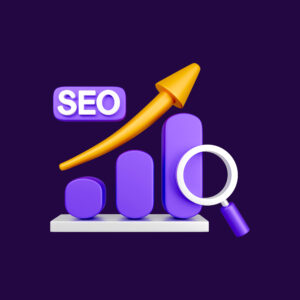
SEO (Search Engine Optimization) is the process of improving a website so it ranks higher on search engines like Google. The better your ranking, the easier it is for customers to find your business. SEO uses keywords, content, backlinks, and technical improvements to increase visibility and trust.
Why SEO for Small Businesses Matters

1. Boosts Online Visibility
Every day, potential customers turn to Google to find the products and services they need. Without SEO for small businesses, your website can easily get lost among competitors. your website can easily get lost among competitors. By implementing effective SEO strategies, your business ranks higher on search engines, making it easier for customers to discover you.
2. Builds Trust and Credibility
Customers trust Google. If your business appears on the first page, it creates instant credibility. Strong SEO helps small businesses appear professional, reliable, and trustworthy — even if they’re just starting out.
3. Attracts the Right Customers
The power of SEO for small businesses lies in targeted traffic. Instead of reaching random people, SEO brings visitors who are genuinely interested in your products or services. These people are actively searching for what you offer — making them more likely to buy.
4.Understand Your Keywords
Find out what your customers are searching for. For example, instead of using generic terms like “shoes”, target keywords like “affordable women’s shoes in Kannur”. Long-tail keywords bring more qualified customers.
5. Levels the Playing Field with Big Competitors
Big brands have bigger budgets, but with smart SEO, you can outrank them. Google doesn’t choose websites based on size—it chooses quality and relevance. Even a small bakery or home-based boutique can appear above national brands with the right keywords and SEO strategies.
6.Cost-Effective Growth Strategy
Unlike ads that stop working when you stop paying, SEO builds long-term results. Once your website ranks well, it continuously brings traffic without additional spending. For small businesses with limited budgets, SEO delivers maximum return with minimum investment.
7. Create Valuable Content
Blogs, FAQs, and case studies help build trust. When your website solves a customer’s problem, Google rewards you with better rankings.
Common Mistakes Small Businesses Make With SEO
Avoid these to save time and improve results:
❌ Using random keywords without research
❌ Ignoring mobile optimization
❌ Publishing copied content
❌ Not updating the website regularly
❌ Expecting instant results
Frequently Asked Questions (FAQs)
3. Is SEO for small business costly?
No. Compared to paid ads, SEO costs less and delivers ongoing results without constant spending.
2. Why is SEO for small business important?
Because most customers search online before making a purchase. If your business doesn’t appear on Google, they will choose someone else. SEO for small business helps you stay visible, competitive, and credible.
3. How long does SEO take to show results?
SEO is not instant. It usually takes 3 to 6 months to see noticeable improvements, depending on competition, website quality, and strategy. The results, however, are long-lasting.
4. Do small businesses need a website for SEO?
Yes. A website is the foundation of SEO. Although tools like Google Business Profile help with local SEO, a website gives better ranking opportunities and builds credibility.
5. Can I do SEO for small business myself?
Yes, you can start with basics like keyword research, blog posts, and optimizing your website. However, hiring an expert can help you achieve results faster and avoid common mistakes.
6. What results can I expect from SEO for small business?
Higher rankings, more website traffic, increased leads, improved brand trust, and steady growth over time.
7. What happens if I ignore SEO for small business?
Your competitors will take your customers. Without SEO, your business remains invisible online—even if you offer the best products or services.
8. What type of content helps SEO for small business?
Blogs, how-to guides, FAQs, case studies, videos, and infographics work well. Content that solves customer problems performs best.
9. What are the best tools for SEO for small business?
Useful tools include:
Google Analytics (to track traffic)
Google Search Console (to monitor performance)
Ubersuggest / SEMrush / Ahrefs (for keyword research)
Yoast SEO / Rank Math (for WordPress optimization)
Conclusion
The online world rewards those who show up. SEO for small business ensures your brand is seen, trusted, and chosen. It’s not just a marketing tactic—it’s a long-term growth engine that brings customers directly to you. Without SEO, even the best business remains hidden. By embracing SEO, you’re not only increasing visibility—you’re investing in a future where your business stands strong, ranks high, and continues to grow in a digital-first marketplace.
